
Peak Performance Hydration for Men
Discover the science-backed hydration and nutrition strategies that elite athletes and fitness enthusiasts rely on to maximize energy, endurance, and overall performance.
The information on this site is for educational purposes only and does not constitute medical advice. Always consult a qualified healthcare professional before making health decisions.
Why Men Need Smart Hydration
Men face unique hydration challenges due to higher muscle mass, greater metabolic rates, and increased fluid loss during physical activity. Proper hydration isn't just about drinking water—it's about understanding electrolyte balance, timing, and nutritional support.
Active men lose more sodium and minerals through sweat, making strategic hydration essential for maintaining performance, preventing fatigue, and supporting recovery. The right hydration strategy can dramatically improve workout intensity, mental clarity, and overall vitality.
Whether you're training for endurance events, building muscle, or maintaining peak fitness, understanding your hydration needs is foundational to success.
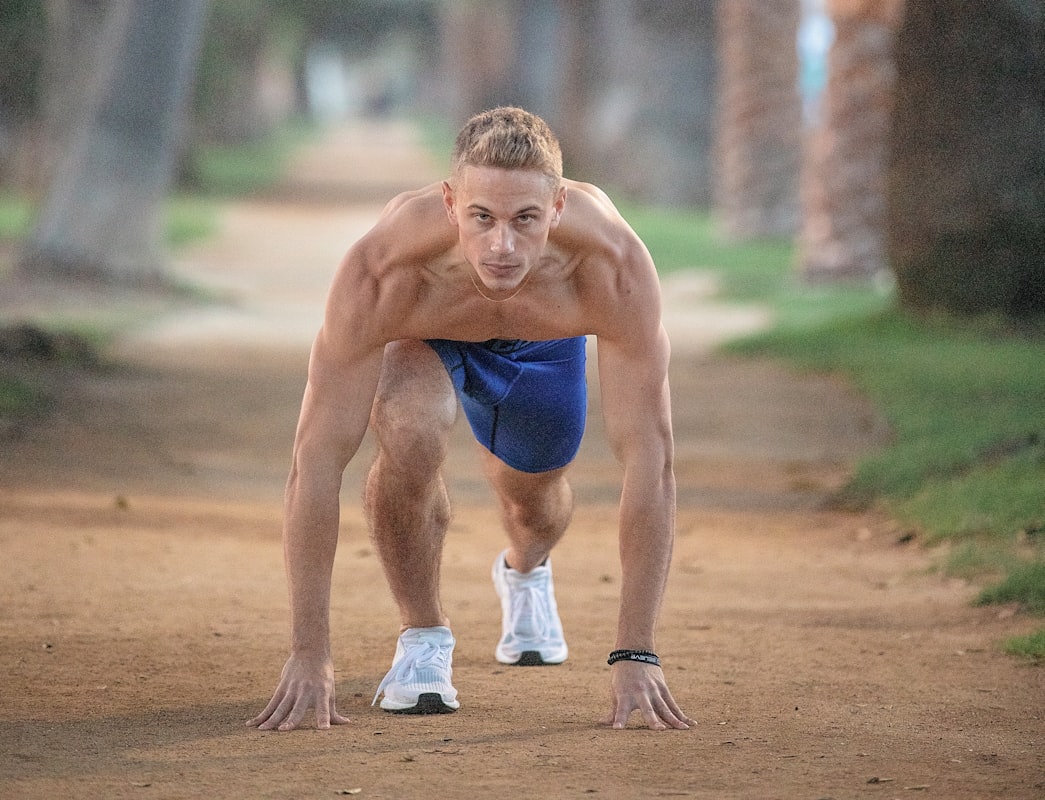
Essential Hydration & Nutrition Pillars
Electrolyte Balance
Sodium, potassium, and magnesium work together to regulate fluid retention, muscle function, and nerve signaling. Proper electrolyte balance prevents cramps, maintains energy levels, and optimizes hydration absorption during and after exercise.
Carbohydrate Timing
Strategic carbohydrate intake during hydration replenishes muscle glycogen stores, sustains performance, and speeds recovery. The right carb-hydration combination provides sustained energy for high-intensity workouts and endurance activities.
Recovery Nutrition
Post-workout hydration paired with protein and amino acids supports muscle repair, reduces soreness, and accelerates recovery. This window of opportunity is crucial for building strength and maintaining consistent training intensity.
Cognitive Performance
Dehydration impairs focus, reaction time, and decision-making. Proper hydration maintains mental clarity, improves concentration, and enhances overall cognitive function—critical for both work and athletic performance.
Immune Support
Consistent hydration strengthens immune response and helps the body combat stress from intense training. Proper fluid intake supports lymphatic function and reduces inflammation markers associated with overtraining.
Personalized Hydration Strategy
Every man has unique hydration needs based on body composition, activity level, climate, and fitness goals. Learning to assess and customize your hydration approach ensures optimal results and peak performance year-round.
The Smart Hydration Framework
Assessment & Baseline
Begin by understanding your current hydration habits, body composition, and activity level. Track baseline water intake and identify gaps in your nutrition strategy. This foundation helps determine your personal hydration targets and nutritional needs.
Pre-Activity Preparation
Hydrate 2-3 hours before exercise with 500-600ml of fluid, then consume 200-300ml 15-20 minutes before starting. Include carbohydrates and electrolytes to prime your system for optimal performance and sustained energy release.
During-Exercise Hydration
Consume 150-250ml of fluid every 15-20 minutes during training, with electrolytes and carbohydrates for workouts exceeding 60 minutes. This maintains blood volume, temperature regulation, and prevents dehydration-related performance decline.
Recovery Rehydration
Consume 150% of lost body weight in fluid over 4-6 hours post-exercise, combined with sodium and protein. Include carbohydrates to replenish glycogen stores and support muscle repair, accelerating recovery for your next training session.
Join Our Hydration & Fitness Community
Subscribe to receive expert articles, research updates, and practical hydration strategies delivered directly to your inbox. Stay informed with evidence-based nutrition tips for peak performance.
We respect your privacy. Unsubscribe anytime.
Real Men, Real Performance Insights
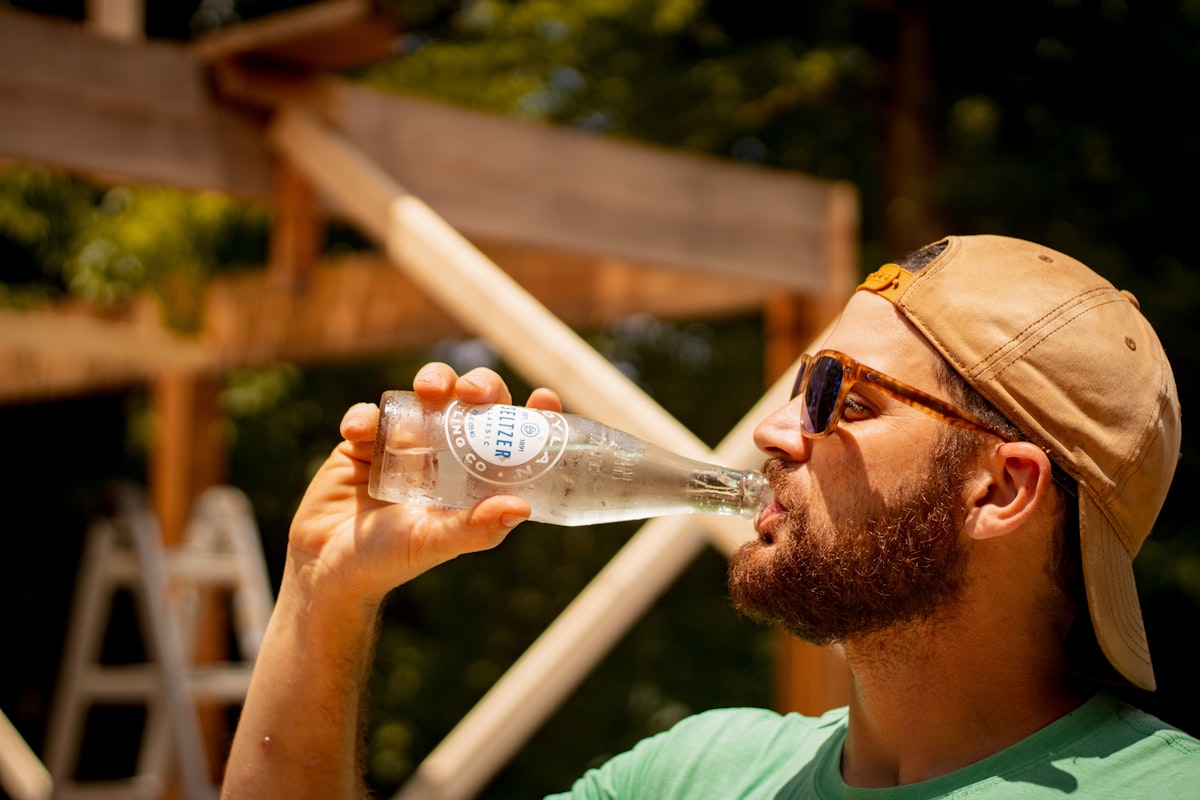
The Science of Hydration Timing
When and how to drink for maximum performance gains

Electrolytes: Beyond Simple Water
Mineral balance for sustained energy and recovery

Post-Workout Nutrition Windows
Optimize recovery with strategic hydration and protein timing
Climate-Specific Hydration Protocols
Adapt your strategy to heat, humidity, and altitude
Athlete Success Stories
"Understanding hydration timing completely transformed my training. I had more energy during workouts, recovered faster, and finally broke through my performance plateau. The electrolyte balance concept was a game-changer for preventing mid-workout fatigue."
Marcus Chen
Endurance Athlete, Jakarta
"I used to hit the gym without any hydration strategy. After learning about the framework, my strength gains improved noticeably. My mental clarity during workouts sharpened, and muscle soreness decreased significantly. Best decision for my fitness journey."
Ricky Pratama
Strength Coach, Semarang
"As someone training for a marathon, proper hydration became non-negotiable. The science-backed approach helped me avoid cramping, maintain pace consistency, and cross the finish line stronger than expected. The recovery strategies kept me injury-free."
Doni Wiranda
Marathon Runner, Bandung
Common Hydration Questions Answered
How much water should I drink daily?
Daily hydration needs vary based on body weight, activity level, and climate. A general guideline is 35ml per kilogram of body weight, but active men often need more. During training days, add 500-1000ml extra depending on workout intensity and duration. Monitor urine color—pale yellow indicates good hydration.
What's the difference between hydration and electrolytes?
Water alone doesn't guarantee optimal hydration. Electrolytes (sodium, potassium, magnesium) help your body retain fluid and maintain cellular function. During intense exercise lasting over 60 minutes, electrolyte-enriched drinks improve absorption and prevent cramping more effectively than plain water.
When should I drink carbohydrates during workouts?
For high-intensity training or endurance activities lasting over 90 minutes, consume 6-8 grams of carbohydrates per 100ml of fluid every 15-20 minutes. This maintains blood glucose, sustains energy, and prevents premature fatigue. For shorter, less intense workouts, carbs may not be necessary.
How do I rehydrate after losing fluids during exercise?
Weigh yourself before and after exercise to determine fluid loss. Consume 150% of that lost weight in fluids over 4-6 hours, spread throughout recovery. Include sodium (helps retain fluid) and carbohydrates (replenishes glycogen). For example, if you lost significant weight, drink 1.5 liters of hydrating fluid plus nutrient-dense foods.
Can I over-hydrate? What's the risk?
Yes—excessive fluid intake without electrolytes can lead to hyponatremia (low blood sodium), causing nausea, confusion, and performance decline. This is rare but possible during very long endurance events. Balance water intake with electrolyte-containing fluids and monitor how your body feels. Thirst is a reliable guide.
How does caffeine affect hydration and performance?
Moderate caffeine (3-6mg per kilogram of body weight) enhances mental focus, endurance, and strength performance. While caffeine has mild diuretic effects, typical pre-workout amounts don't significantly increase fluid loss. Pair caffeine intake with proper hydration for optimal cognitive and physical benefits.
Explore Expert Resources and Insights
Read detailed articles on hydration science, nutrition strategies, and performance optimization. Our editorial team continuously publishes research-backed content to help you achieve peak fitness performance.
Key Takeaways for Your Performance
Hydration Essentials
- Personalize your approach: Calculate hydration needs based on body weight, activity level, and climate conditions.
- Balance electrolytes: Sodium, potassium, and magnesium are essential for fluid retention and muscle function.
- Time your hydration: Drink before, during, and after exercise for optimal performance and recovery.
- Monitor urine color: Pale yellow indicates adequate hydration; dark yellow signals dehydration.
Nutrition Integration
- Combine carbs with hydration: For workouts over 60 minutes, include carbohydrates to sustain energy.
- Post-exercise protocol: Consume 150% of lost fluid weight plus protein and carbs within 4-6 hours.
- Avoid over-hydration: Balance water intake with electrolytes to prevent hyponatremia.
- Consistent practice: Test your hydration strategy during training, not during competitions or important events.
Resources for Continued Learning
Hydration Guide
Comprehensive guide to hydration techniques, timing strategies, and performance optimization for active men.
Read Guide →Latest Articles
Explore recent research articles, expert insights, and practical tips on nutrition, hydration, and fitness performance.Explore Articles →
FAQ Section
Find answers to commonly asked questions about hydration, electrolytes, nutrition timing, and performance strategies.
View FAQ →